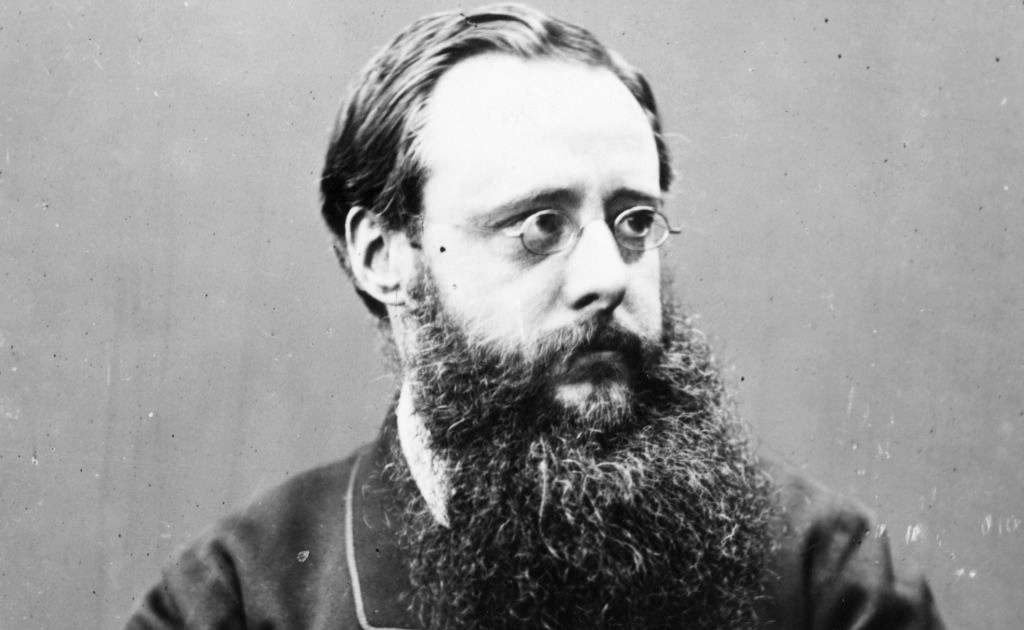
With a history in seamanship, photography and bodybuilding on top of his successful writing career, William Hope Hodgson (1877–1918) makes for an interesting subject for today’s blog. Perhaps best known for his novels ‘The House on the Borderland’ (1908) and ‘The Night Land’ (1912), Hodgson’s fiction has been a great influence on a number of horror writers, especially celebrated for his authentic narratives on the horrors of the sea and his creation of the enduring supernatural investigator Thomas Carnacki.
Flame Tree Fiction
Gillian Whitaker
Recent Posts
‘A series of images, thoughts, and emotions, often with a story-like quality, generated by mental activity during sleep’: this is the definition of a dream given by the Oxford English Dictionary. We’ve all experienced it, that bizarre state between wakefulness and sleep (or between lengthy snooze alarms), when REM sleep has had just enough time to set in and pelt you with the strangest sequence of ideas – images sometimes mundane, sometimes fantastical, but always disconcertingly removed from reality. Frightening and exhilarating, that delightfully ambiguous state when the mind is not fully itself is when logic is distorted, traditional paths of thought are muddled and the mind is open to everything. There, there be monsters. The unrestrained creative world of dreams offers endless possibilities for the imagination, and such realms provide the most intriguing, thrilling and in many ways the most beautiful material for art.
Topics: Josephine Wall, Gothic Dreams
Influenced by the gothic fiction tradition, ghost stories have long captivated audiences and readers, with ghostly beings so often fascinating precisely because of their ability to elude definition: obscurity and intrigue are necessary for the realm of ‘ghostliness’, and set ablaze the imagination as a result. Anything ‘supernatural’ seems at once displaced from yet close to reality, and it is this small shift, similar to Freud’s ‘uncanny’, which is so unsettling. The Victorian era – the supposed ‘golden age’ of the ghost story – lent itself well to the form. Roger Clarke (author of A Natural History of Ghosts: 500 Years of Hunting for Proof) has put this down to a number of reasons – such as it being the era of flickering gaslamps with possible hallucinogenic properties, an era also of large stately homes, with secret passageways for servants to flit through unseen by the guests of the house. This is also an age when representations of reality could be popularly captured through photography, giving rise to ‘spirit photography’ that distorted the reality captured in eerie and, at the time, convincing ways. We’re adding to our range of classic gothic novels with a series on short stories, and today’s blog will take an overview of ghost stories in particular, trying to snatch a glimpse of those many elusive ghosts that have graced pages in history.
Topics: flame tree 451, Gothic Fantasy, Oscar Wilde
The British Library’s recent exhibition Terror and Wonder: The Gothic Imagination celebrated 250 years since Horace Walpole’s ‘Castle of Otranto’, though the popular exhibition sadly closed its doors last month, leaving fewer ways to now satisfy that thirst for all things gothic. With our new range of ebooks on the subject, we thought we’d take a look back at how the exhibition looked at the gothic genre, and see if we can’t provide some material for those who missed out or simply need another fix!
Topics: Museums & Galleries, Gothic Dreams, Zombies, vampires